Preterm Birth
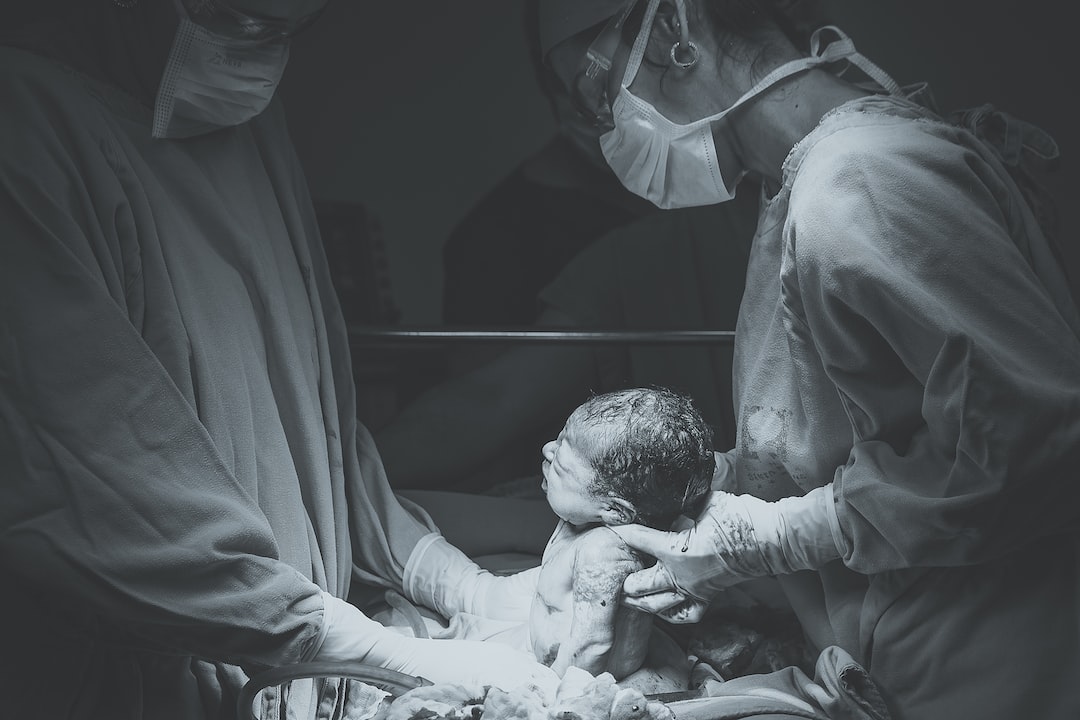
Preterm birth, also known as premature birth, is a condition where a baby is born before completing 37 weeks of gestation. It is a significant global health issue that affects millions of infants and their families each year. In this blog post, we will explore the causes, symptoms, diagnosis, treatment, and prevention of preterm birth.
History of Preterm Birth
Preterm birth has been a concern for centuries, but it wasn't until the 20th century that advancements in medical knowledge and technology allowed for a better understanding of the condition. The first neonatal intensive care units (NICUs) were established in the 1960s, providing specialized care for premature infants. Since then, research and medical interventions have continued to improve outcomes for preterm babies.
Causes and Risk Factors

Preterm birth can have various causes and risk factors. Some common causes include infections, multiple pregnancies (such as twins or triplets), chronic health conditions in the mother (such as high blood pressure or diabetes), and certain lifestyle choices like smoking or substance abuse. Additionally, socioeconomic factors, stress, and inadequate prenatal care can also contribute to the risk of preterm birth.
Symptoms of Preterm Birth
The initial symptoms of preterm birth may include regular contractions, lower back pain, pelvic pressure, vaginal bleeding, or a change in vaginal discharge. As preterm labor progresses, the symptoms may intensify, and the woman may experience ruptured membranes (water breaking) or a feeling of the baby moving downward in the pelvis.
Symptoms of Preterm Birth:
- Regular contractions
- Lower back pain
- Pelvic pressure
- Vaginal bleeding
- Change in vaginal discharge
- Ruptured membranes (water breaking)
- Baby moving downward in the pelvis
Diagnosis and Emergency Response
Diagnosing preterm birth involves a combination of medical history, physical examination, and diagnostic tests. Healthcare providers may perform a pelvic exam, monitor contractions, check for signs of infection, and assess the baby's well-being through ultrasound or other imaging techniques. In emergency situations, it is crucial to seek immediate medical attention to ensure the best possible outcome for both the mother and the baby.
Chain Reaction and Treatment
When preterm birth occurs, it can set off a chain reaction of events that require prompt medical intervention. The healthcare team will focus on stabilizing the mother's condition, preventing further preterm labor, and providing specialized care for the premature baby. Treatment options may include medications to stop contractions, bed rest, administration of corticosteroids to enhance lung development in the baby, and, in severe cases, delivery of the baby through cesarean section.
Latest Trends in Treatment
Ongoing research and advancements in medical science have led to innovative treatments for preterm birth. Some of the latest trends include the use of progesterone supplementation to prevent preterm labor in high-risk women, the development of artificial womb technology to support premature babies, and the exploration of stem cell therapies to enhance organ development in preterm infants.
Preventing Complications
Preventing complications associated with preterm birth is crucial for the well-being of both the baby and the mother. Adequate prenatal care, regular check-ups, and early detection of risk factors can help in preventing preterm birth. Additionally, maintaining a healthy lifestyle, managing chronic health conditions, reducing stress, and avoiding harmful substances like tobacco and alcohol are essential for a healthy pregnancy.
Good Behaviors and Habits
To prevent preterm birth, it is important to adopt good behaviors and habits during pregnancy. These include eating a balanced diet, staying hydrated, getting enough rest, avoiding excessive physical exertion, and managing stress levels. Regular prenatal exercise, under the guidance of a healthcare professional, can also help in maintaining a healthy pregnancy.
Exercise for Preterm Birth
One recommended exercise for preterm birth is swimming. Swimming is a low-impact activity that provides gentle exercise for the whole body. It helps in improving cardiovascular fitness, muscle strength, and flexibility without putting excessive strain on the joints. Swimming also promotes relaxation and reduces stress, making it an ideal exercise for pregnant women.
Good Food for Preterm Birth
One good food for preterm birth is spinach. Spinach is rich in essential nutrients like folate, iron, and vitamin K, which are crucial for the healthy development of the baby. It also contains antioxidants that support the immune system and reduce the risk of infections. Additionally, spinach is a good source of dietary fiber, aiding in digestion and preventing constipation.
3 Reasons Why Spinach is Good for Preterm Birth:
- High in essential nutrients like folate, iron, and vitamin K
- Rich in antioxidants that support the immune system
- Good source of dietary fiber for healthy digestion
Vitamins and Nutritional Supplements
In addition to a balanced diet, certain vitamins and nutritional supplements can benefit women at risk of preterm birth. These may include folic acid, omega-3 fatty acids, iron, calcium, and vitamin D. However, it is important to consult with a healthcare provider before starting any supplements to ensure they are suitable for individual needs.
Conclusion
Preterm birth is a complex and challenging condition that requires comprehensive medical care and support. By understanding the causes, symptoms, diagnosis, treatment, and prevention strategies, we can work towards improving outcomes for preterm babies and their families. Remember, early detection, timely intervention, and a healthy lifestyle are key to ensuring a safe and healthy pregnancy.
Hashtags: #PretermBirthAwareness #PrematureBabies #HealthyPregnancy
'Health care' 카테고리의 다른 글
| Exudative Macular Degeneration (0) | 2024.01.27 |
|---|---|
| Fragile X Syndrome (1) | 2024.01.27 |
| Pandemic (0) | 2024.01.26 |
| Drink - A Comprehensive Guide (0) | 2024.01.26 |
| Cognitive Behavioral Therapy (1) | 2024.01.26 |